

Agroecology in Ecuador is a mosaic of knowledge: from the Andean terraces to the Amazonian chakras. It is an act of resistance and sovereignty that protects our megabiodiversity in all regions of the country.
This guide offers practical tools for the transition in the four regions, recognizing that each soil and each climate requires a technically and culturally diverse approach.
Manage the formulation and application of BioFertilizers with MulluBio
Manage the technical aspects of your biopreparations and microorganisms directly on your mobile phone. Designed for farmers seeking uncomplicated precision in their ferments.
Go to MulluBio.org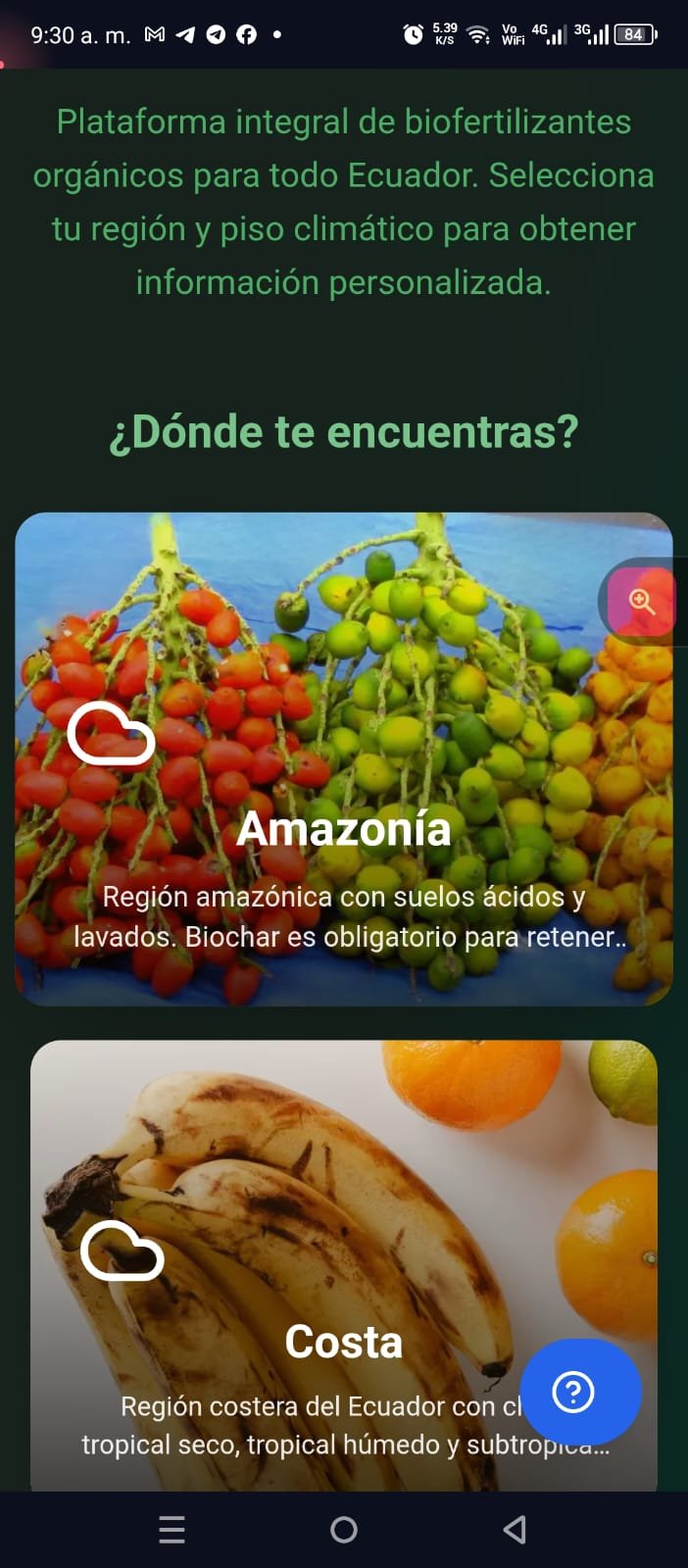
Analysis: Is there a genuine state policy?
The 2008 Constitution was pioneering in declaring the Food Sovereignty as a national objective. However, in practice, Ecuador continues to operate under an export-oriented agro-industrial logic. Development policies are diluted by bureaucratic procedures that small farmers can rarely navigate.
The government is perceived as offering palliative measures (distributing chemical kits or certified commercial seeds) but lacking a structural commitment to discouraging the use of agrochemicals. Agroecology survives today more as an achievement of organized civil society than as a pillar of the national budget.
Budgetary Neglect
Less than 51% of the actual agricultural budget reaches farms in agroecological transition directly.
Regional Invisibility
Policies tend to be "highland-centric", ignoring the logic of the Amazonian Chakra or the silvopastoral systems of the coast.
Agroecology by Regions
Saw
Focus: Soil conservation on slopes and frost management.
- • Terraces and infiltration trenches.
- • Mountain Microorganisms (MM).
- • Crops: Corn, potatoes, quinoa, highland fruit trees.
Coast
Focus: Tropical agroforestry and biological control of high humidity.
- • Shaded fine aroma cocoa.
- • Living barriers for salinity.
- • Crops: Banana, coffee, cassava, tropical fruits.
Amazon
Focus: The Kichwa and Shuar Chakra system.
- • Forest succession management.
- • Nutrient capture in acidic soils.
- • Crops: Cinnamon, guayusa, palm heart, native pitahaya.
Galapagos
Focus: Circularity and control of invasive species.
- • Low evaporation greenhouses.
- • Composting of waste from the tourism industry.
- • Protection of young endemic soils.
National Field Practices
01 Adaptive Nutrition
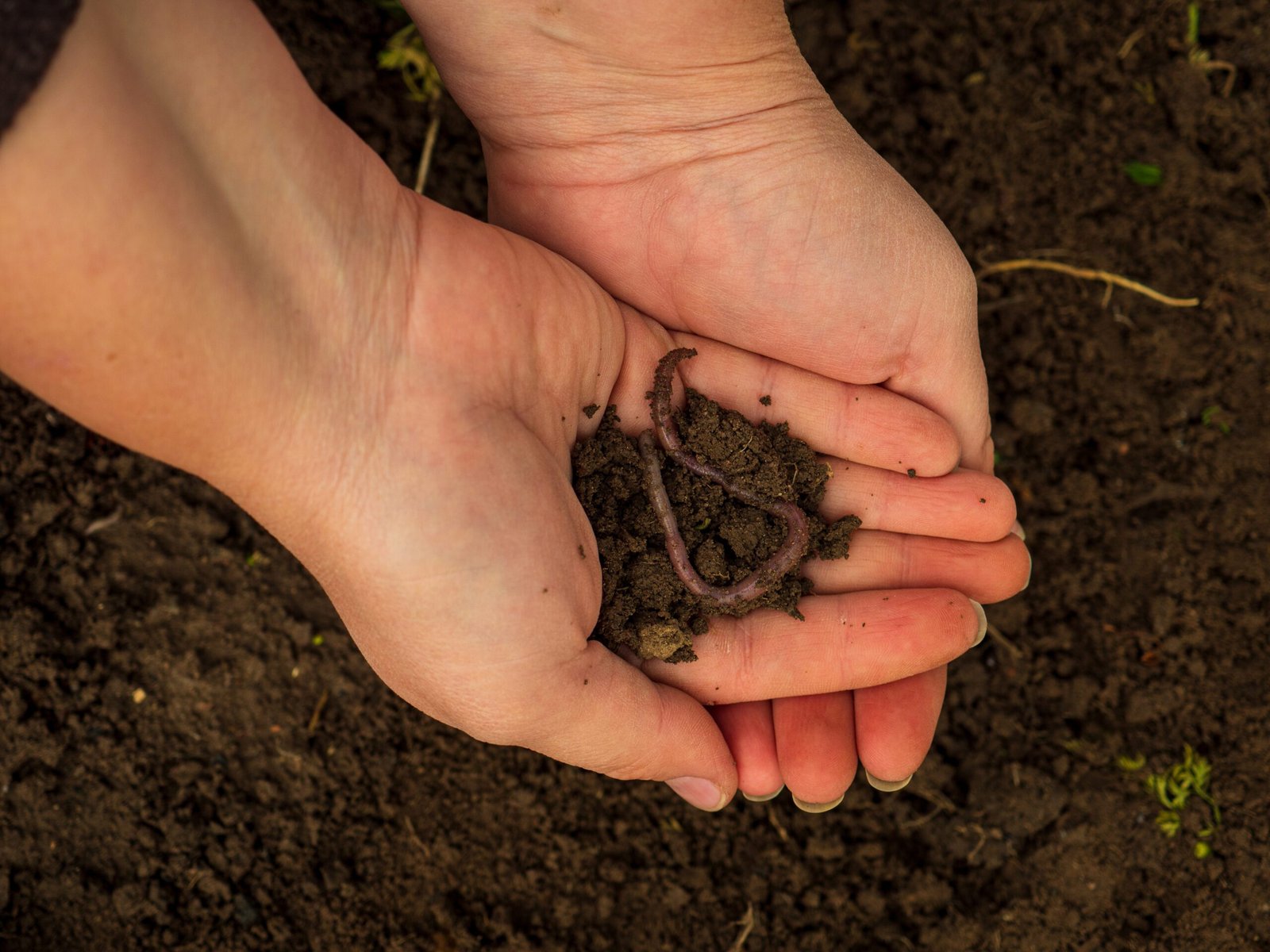
There's no single recipe. In the Sierra, we use pine or native forest compost; on the Coast, we use banana and cacao stubble. Inoculating local life is key.
02 Water: The Life Cycle
On the Coast we manage excess rainfall through living drainage systems; in the Sierra and Galapagos, we harvest every drop through reservoirs and organic mulch.
03 Functional Biodiversity
Polycultures prevent massive infestations. Integrating legumes fixes nitrogen for free, saving you thousands on urea.
04 Memory of the Seed
From Andean quinoa to Amazonian cassava, preserving native seeds is the best defense against climate change.
Transition Plan
Soil diagnosis and inoculation with regional microorganisms.
Design of forestry/horticultural systems and water management.
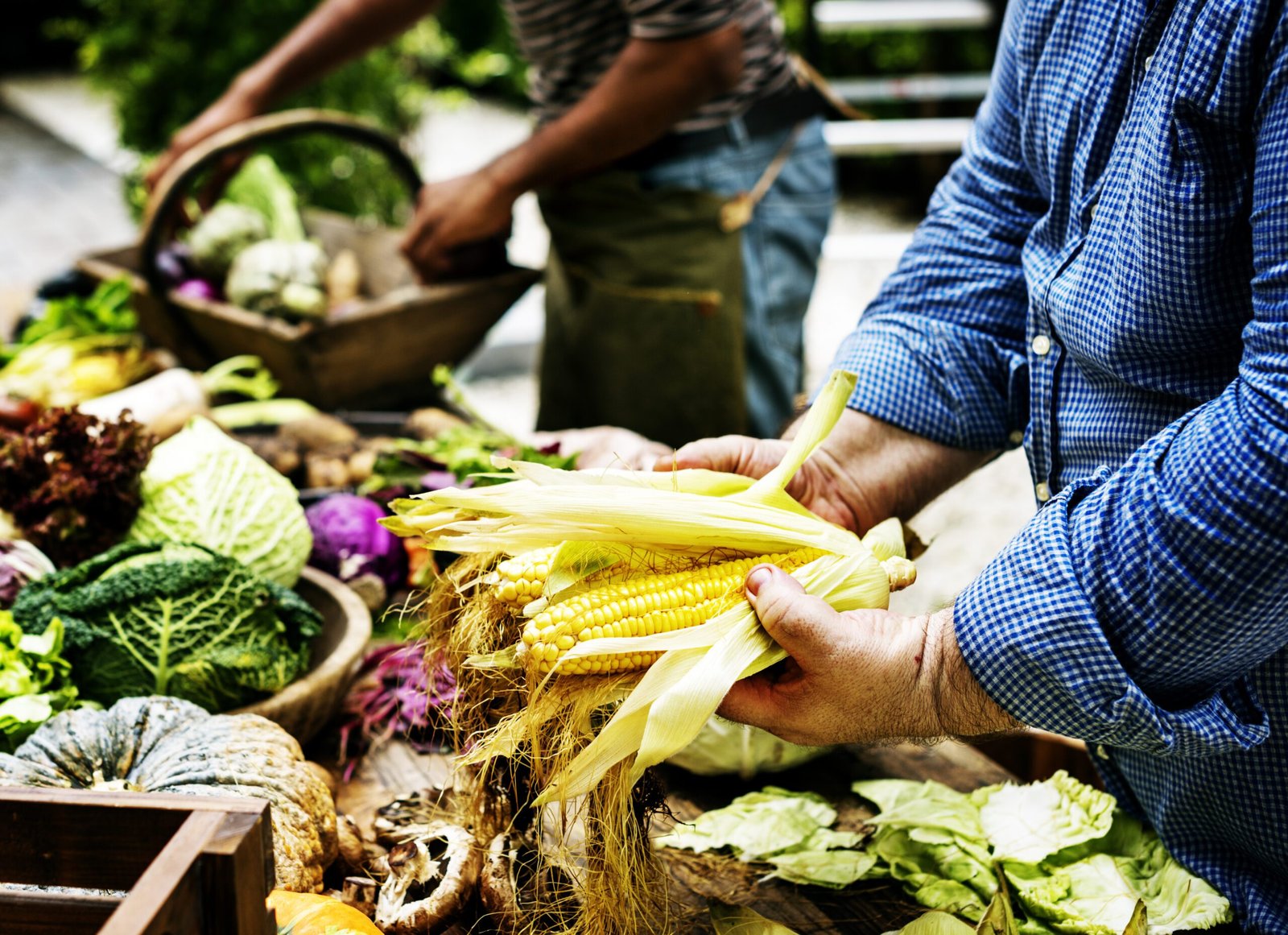
Consolidation of local fairs and use of technical apps such as MulluBio.
Chaski Checklist
Frequently Asked Questions
1. Does agroecology produce the same as conventional agriculture? ↓
In the long term, yields stabilize. The big difference is that production costs drop dramatically by not buying chemicals, making the farm more profitable.
2. How can I sell if I don't have official organic certification? ↓
Use the SPG (Participatory Guarantee System). It is the ideal system for the local market in Ecuador, based on community trust.
3. Can it be applied in the Amazon without damaging the rainforest? ↓
Absolutely. The Chakra system mimics the rainforest, producing food without deforestation and restoring degraded soils.
4. How do I manage salinity in coastal soils? ↓
Through abundant organic matter and windbreaks of native species to reduce direct sea breezes.
5. What role do women play in agroecology? ↓
Women are the historical guardians of seeds in all four regions. Their leadership is the driving force behind family food sovereignty.
6. How long does it take for the soil to recover? ↓
With native microorganisms, physical and biological changes are visible in just 1 or 2 planting cycles.
7. Do I need a large property to start? ↓
No. Agroecology is knowledge-intensive, not land-intensive. A small garden can be a living laboratory.
Conclusion: An Agroecological Ecuador is Possible
Agroecology is the path to true farmer independence. By restoring soil health and seed sovereignty, we build resilience in the face of an unstable global market.
Plan, record your progress in MulluBio.org And join the national network of producers. The land takes care of us if we take care of it first.
Your Critical Path
1. Observe
Understand your regional climate and map your water resources.
2. Inoculate
Activate your soil with local microbiological life.
3. Diversify
Abandon monoculture and plant protective polycultures.
4. Digitize
Use MulluBio to professionalize your production.

 EN
EN