
Indigenous peoples and the possible path to the UN Secretary-Generalship in 2027
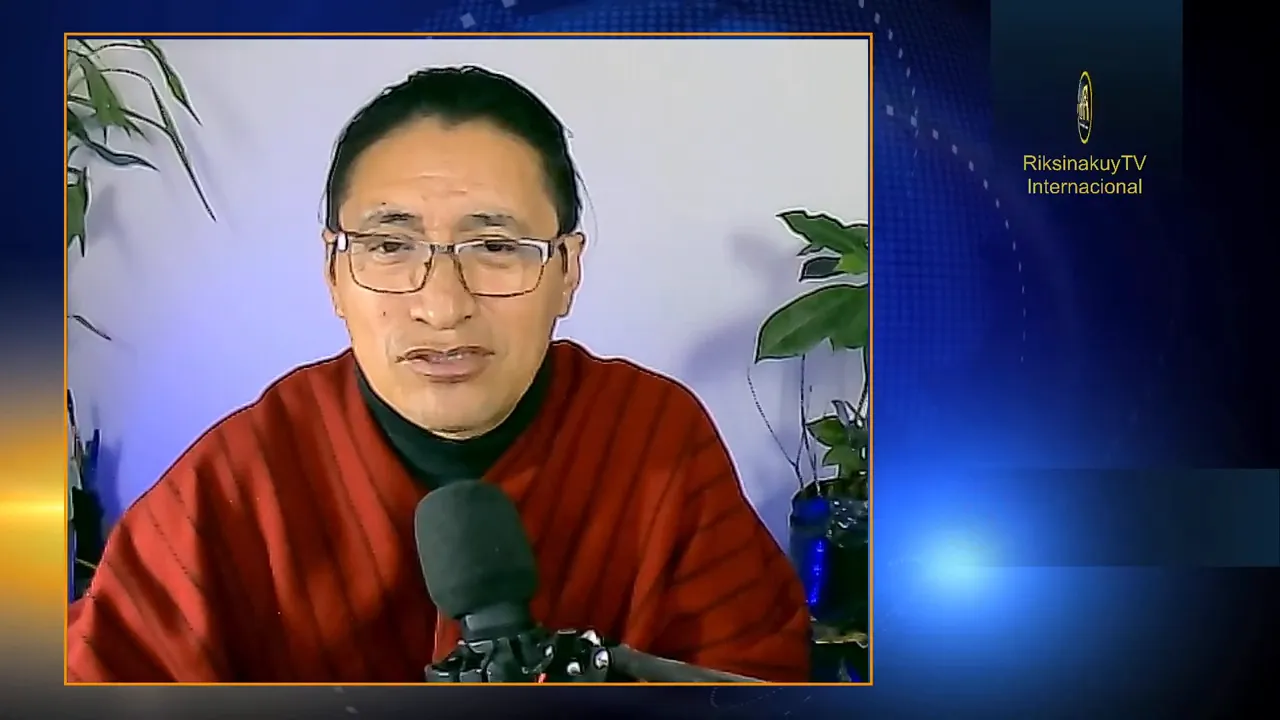
In March 2026, from Quito, Ecuador (via Rikisnakuy TV), a discussion was held with indigenous leaders from Chile and Mexico that raised a question that is not only diplomatic: can an indigenous candidacy for the Secretary General of the United Nations radically change the way the international community views the planet's crises?
The resulting response from this dialogue was twofold: yes, it is possible; but first, the political, legal, and cultural relationship that indigenous peoples maintain with states and multilateral institutions must be transformed.
Summary of the conversation
The program brought together José Atupaña (Kichwa host), Aucán Wilcamán (Mapuche jurist), and Margarita Gutiérrez Romero (Otomi leader). The central ideas discussed can be summarized as follows:
- Contemporary threats: extractivism and appropriation of invisible knowledge.
- International legal framework: active use of the UN Declaration.
- Indigenous voice at high level: candidacy for September 2026/2027.
- Practical emergencies: climate justice and indigenous data sovereignty.
Why an indigenous candidacy?
For Aucán, the idea is historic: never before have Indigenous peoples sought to challenge the center of the multilateral system. Margarita confirmed that current institutions, such as the Permanent Forum, have been reduced to mere "walls of lamentation." The goal is to move from denunciation to political action at the heart of global power.
«"The right to self-determination that we indigenous peoples possess is a great tool... we must use it appropriately and in a timely manner."»
Current legal tools
The international community already recognizes the relevance of indigenous knowledge in various instruments:
- UN Declaration on the Rights of Indigenous Peoples: Collective and cultural rights.
- Climate Change Convention: Importance of indigenous cultures for mitigation.
- Convention on Biological Diversity ($8j$): Protection of traditional knowledge.
Practical contributions to global issues
Guardians of biodiversity
Management of forests and wetlands maintained for generations in the face of the current ecological collapse.
Data and knowledge sovereignty
Effective protection schemes against biopiracy and unauthorized commercial use.
Ethics of nature
Proposals for legal recognition of nature as a subject of rights.
A critical example
Although the need to protect knowledge is acknowledged, in practice there is systematic appropriation without compensation or consent. Indigenous representation at the UN would promote genuine governance mechanisms for these biotic assets.
Obstacles and internal colonialism
The dialogue did not prevent self-criticism: the effects of Western "political training" linger, limiting autonomy. Many peoples remain focused on immediate state politics, forgetting their own path to self-determination.
The proposed practical route
- Define internal nomination procedure.
- Select a consensus candidate.
- Formal presentation in New York.
- Diplomatic lobbying with embassies and receptive governments.
- Visibility of territorial crises as a political platform.
Aucán also detailed the creation of a constituent statute for a Mapuche government recognizable under international law.
Want to help us create more content like this? We work independently to share the best environmental analysis and awareness content. #ForABetterWorld
Donate NowFrom rhetoric to action
Claiming rights is not enough; a human apparatus with diplomatic, technical, and organizational capabilities is needed to sustain campaigns on the international stage. Peoples must demonstrate that they can exercise their self-determination with creativity and political responsibility.
Territorial perspectives
In Mexico, Margarita warns about "ill-conceived conservation" that displaces communities and the risk of leaders being co-opted by state budgets. In Chile, Aucán insists that without clear political will, rights will remain empty slogans.
Frequently Asked Questions
What exactly is "self-determination"?
Why propose this candidacy now?
Is a non-state candidate realistic?
How can we provide support from the local level?
Suggestions and readings
- Review the UN Declaration on Indigenous Peoples.
- Follow the announcements of the All Lands Council.
- Coordination with embassies and allies in multilateral forums.
Credits: International RiksinakuyTV Dialogue (March 13, 2026). Guests: Aucán Wilcamán and Margarita Gutiérrez Romero.

 EN
EN