The Kichwa Indigenous People of Sarayaku, a historical symbol of dignity and indigenous resistance in the Ecuadorian Amazon, are once again raising their voices in international courts.
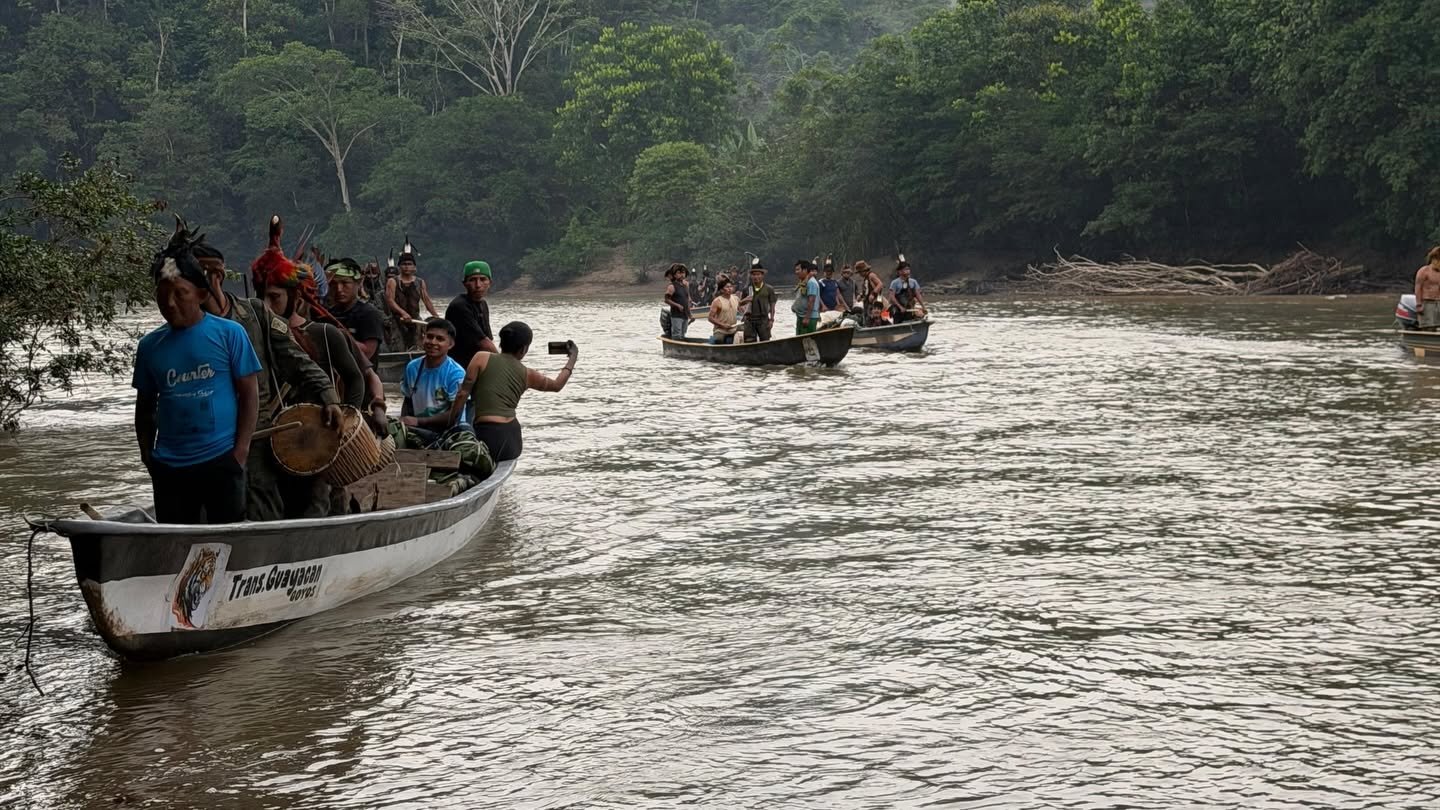
At a crucial moment for the defense of human and environmental rights in the region, a delegation of leaders traveled to San José, Costa Rica, in mid-June 2026 to appear before the Inter-American Court of Human Rights (IACHR). The central purpose of this appearance was to participate in a private hearing to monitor compliance with the landmark 2012 judgment in their favor, a historic ruling that, fourteen years later, continues to be implemented in an alarmingly partial manner by the Ecuadorian State.
With this appearance, the people of Sarayaku seek to expose a worrying situation to national and international public opinion: despite having fully favorable international and national rulings, the state administrations in power have shown an absolute disinterest and a worrying lack of political will to engage in dialogue and implement the mandatory comprehensive reparations.
The Historical Context: A Victory of More Than a Decade That Lives On in History
The legal dispute formally began after the events of 1996, the year in which the Ecuadorian state, unilaterally and in violation of fundamental principles of international law, granted a concession for an oil block within the ancestral territory of Sarayaku. Daniel Santi, the current president of Sarayaku, recently recalled at a press conference that the entire concession was carried out through systematic human rights violations, flagrantly disregarding the right of Indigenous peoples to prior, free, and informed consultation regarding extractive projects in their territories.
After exhausting all legal avenues within Ecuador without success, the community decided to take its case to the Inter-American System. In 2012, after more than a decade of intense litigation, the Inter-American Court of Human Rights issued a ruling that set a binding precedent for all of Latin America, obligating the State to provide reparations, properly consult with the communities, and clear the territory of the dangerous remnants of oil exploration. However, fourteen years later, the reality on the ground differs drastically from the court's mandate.
The Two Major Complaints of the People of Sarayaku in 2026
The people of Sarayaku base their current claim before the Inter-American Court of Human Rights on two critical and urgent issues:
1. The Imminent Danger from Explosives Abandoned Under the Jungle
One of the greatest offenses against the integrity of the community is the continued presence of high-powered explosives planted on their sacred lands. Mario Melo, the case's longtime lawyer, explained that the original ruling established the State's imperative obligation to remove them. 1,460 kilograms of pentolite (more than one and a half tons) buried in 461 different points of the territory.
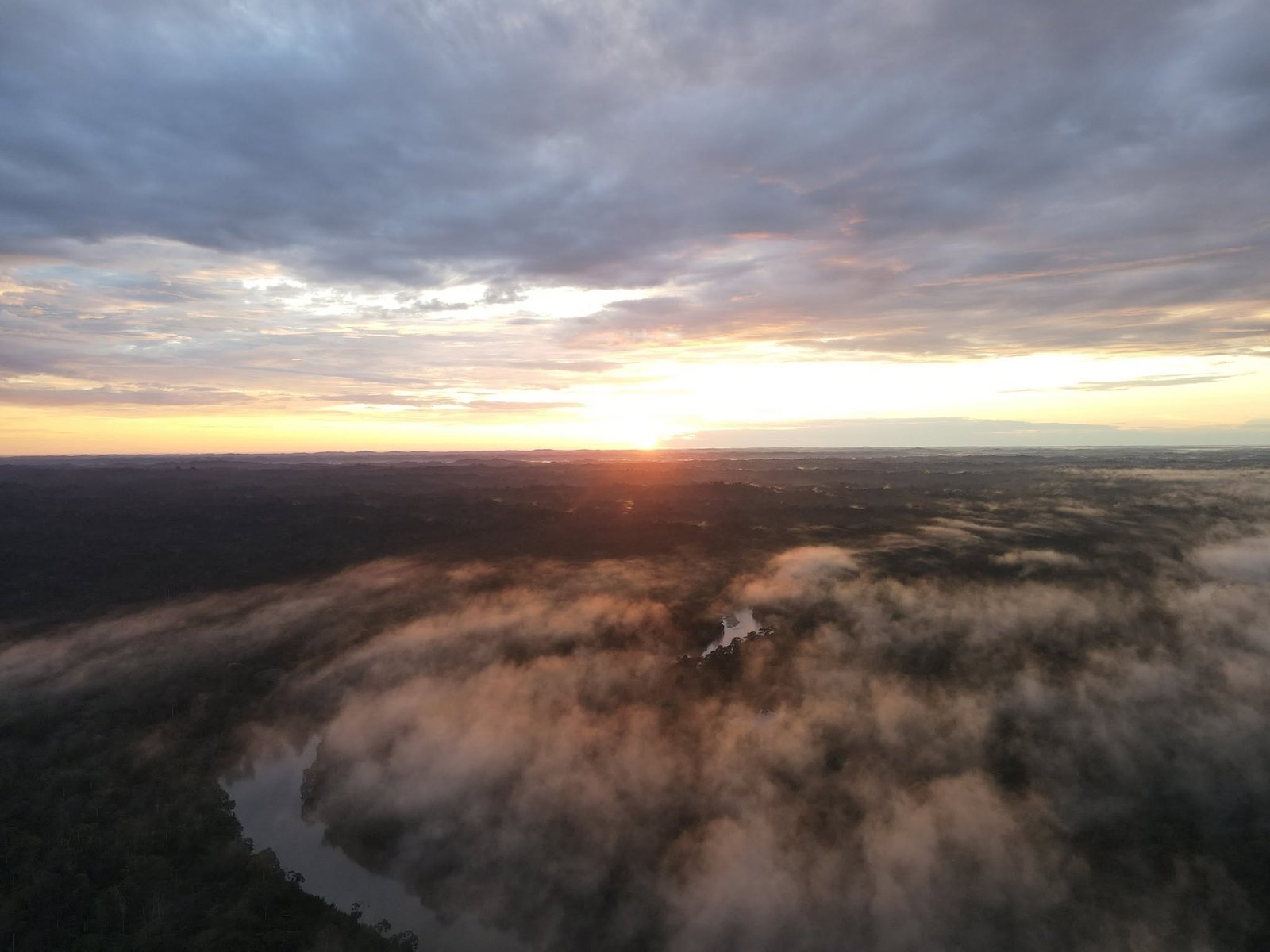
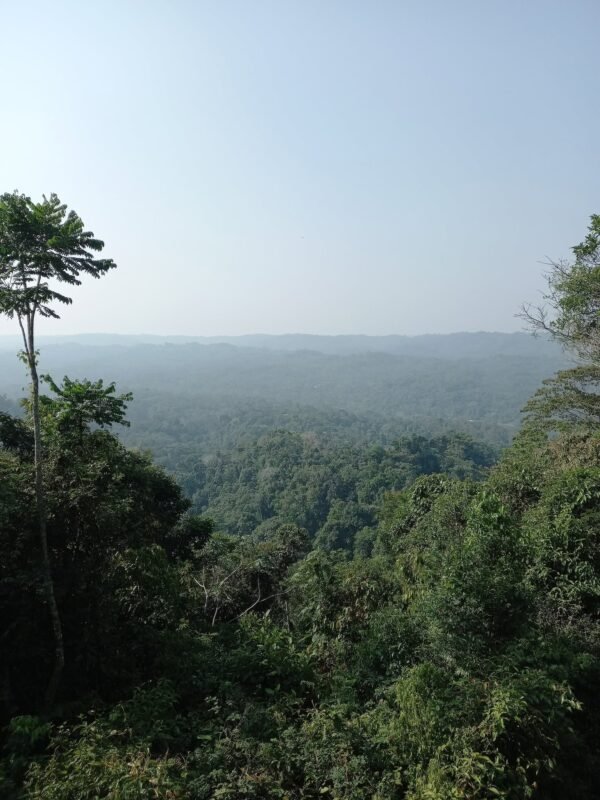
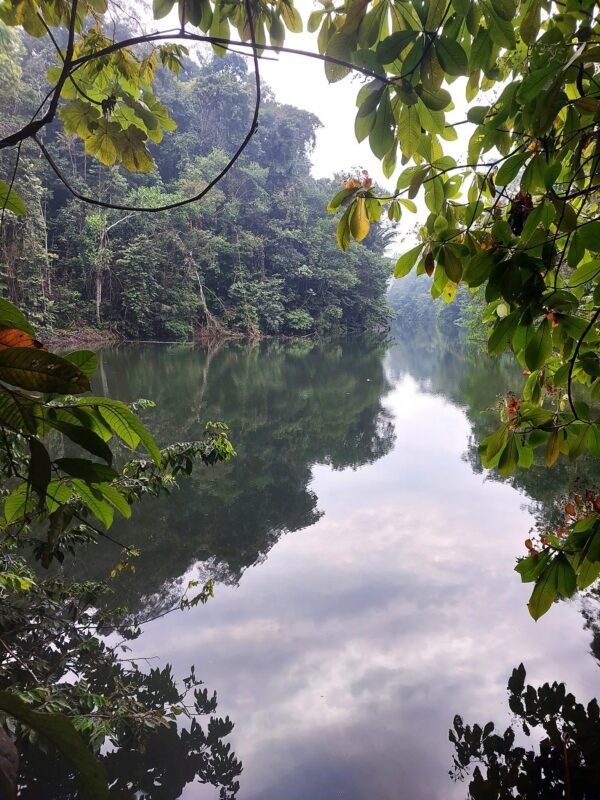
This enormous quantity of explosive material not only represents a danger of physical death for the inhabitants and beings of the jungle who travel and navigate through the area daily, but also constitutes a direct desecration of the Kawsak Sacha (Living Jungle). For the Kichwa people, the rainforest is a living, conscious being, home to protective spirits with whom they maintain a profound spiritual relationship. The presence of pentolite disrupts this sacred balance and keeps the community in a state of constant vulnerability.
2. The Illegal Expansion of the Oil Frontier
Far from complying with the international ruling and offering real guarantees of non-repetition, Ecuadorian authorities continue to promote plans that threaten to repeat history. Luis Canelos, president of the Kichwa nation of Pastaza, strongly denounced that the State continues to maintain practices that violate their territorial rights by accelerating a new wave of extractive expansion through projects called South-East Oil Round and Sub-Andean Oil Round. Granting permits to private corporations in ancestral territories without the explicit consent of the communities puts the life, culture, and survival of the indigenous peoples of Pastaza at imminent risk.
The Double Noncompliance: The Constitutional Court Ruling of 2024
State neglect is not just an international problem. On January 18, 2024, the very Constitutional Court of Ecuador The court officially acknowledged the State's failure to comply with reparations measures and imposed a peremptory deadline of six months for the authorities to carry out the corresponding prior, free, and informed consultation. The objective of this mandate was to define, together with Sarayaku, the technical mechanisms to safely neutralize or remove the pentolite, analyze extraction procedures carried out after 2012, and consolidate protective legislation.
As leader Betsy Santi pointed out, despite the fact that the country's highest court reaffirmed the human rights violations committed by the State itself, to date the obligations remain forgotten, demonstrating a worrying state omission that forces them to seek definitive protection in the Inter-American Court.
Frequently Asked Questions
It demands full and definitive compliance with the 2012 ruling. This includes, as a priority, the safe and technical removal of the more than 1,400 kilos of pentolite abandoned in its territory and the absolute guarantee that no new oil blocks (such as the Southeast and Sub-Andean rounds) will be imposed without its prior, free and informed consent.
Kawsak Sacha "Living Jungle" is a philosophical and spiritual concept of the Kichwa Indigenous People of Sarayaku that recognizes the jungle as a space with its own life, inhabited by beings that protect the ecosystems.
Abandoned explosives not only pose a physical risk of accidental detonation, but also disrupt the spiritual harmony, food sovereignty, and community peace of the area.
The legal team of the Center for Justice and International Law (CEJIL) together with the Pachamama Foundation provide strategic legal and international support to the delegates of Sarayaku, helping to raise awareness of the case and exert diplomatic pressure to ensure that the State is held accountable before the law.
Join the Defense of the Living Rainforest! (Call to Action)
The struggle of the Sarayaku people is the struggle of all humanity for the preservation of the Amazon and respect for Indigenous life in the face of the climate crisis and unchecked resource extraction. Your attention and your voice on social media are essential tools for exerting pressure!
Read the Statement following the Inter-American Court of Human Rights Supervisory Hearing broadcast by Sarayaku
Join us on social media: To stay up-to-date with all real-time news, urgent announcements, and exclusive content straight from the Amazon region, join our community today on our publicly accessible platform:
👉 Follow the Defenders of the Rainforest Facebook page here! 👈
Photo credits. All images Sarayaku Defenders of the Jungle and Kaskiruna-Kawsaytaruna

 EN
EN