A chronicle of a journey along the banks of the river that supplies and gives life to the capital (already many communities) ) from the province of Pastaza, in the Ecuadorian Amazon.
During the XII Pan-Amazonian Social Forum, Isabela Peñaherrera, a communicator with Chaski Digital (PachaMamita), accompanied a press tour organized by PAKKIRU, a grassroots organization of the Kichwa people of Pastaza, with the support of the Pan-Amazonian Ecclesial Network (REPAM), the Apostolic Vicariate of Puyo, and the Ancestral Commune of San Jacinto del Pindo. This alliance seeks to raise global awareness of the environmental pressures facing water sources in the Ecuadorian rainforest.
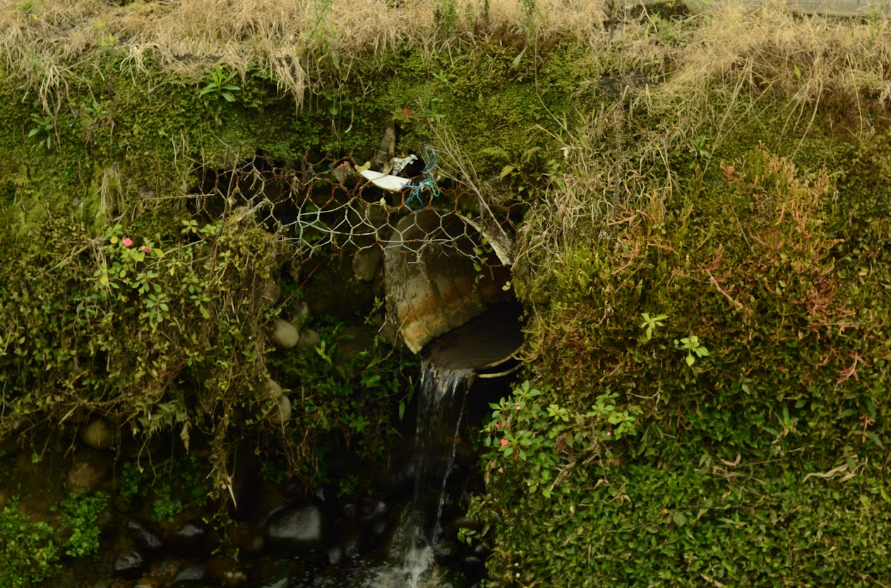
Walking along the Puyo River immediately transforms one's understanding of the territory. Traveling through the basin with the Indigenous communities and families who live along its banks, it becomes clear that water cannot be considered a commercial, unlimited, and distant resource, or simply a channel for urban waste. It is essential to recognize its value as a direct source of life, food sovereignty, and social cohesion for the more than 25,000 people who make up the 39 ancestral communities in the area and the capital of the Pastaza province in the central Amazon region of Ecuador.
For the Ancestral Commune of San Jacinto del Pindo, belonging to the indigenous population of Puyo, the river has historically been a subject of rights: a living being that accompanies, nourishes, and unites the people. However, upon closer examination of its course, the scars inflicted daily by unplanned urban growth, agricultural activities, and a lack of sanitation infrastructure become evident.
The upper zone: contamination at the source of drinking water
There is a widespread belief that the water source for the city's drinking water is completely pure at the top of the mountain, where it originates. While the landscape appears to show crystal-clear water, the reality on the ground is quite different. This catchment area is home to numerous poultry farms, livestock operations, and intensive crops such as sugarcane plantations.
The continuous use of pesticides and chemical fertilizers, coupled with livestock waste, generates a silent but severe impact. In an Amazonian region where rainfall is constant and intense, pollutants are carried directly into the rivers without any prior treatment. Despite being the main source of drinking water for thousands of inhabitants, the upper reaches of the river lack any legal framework for environmental protection or conservation by local authorities.
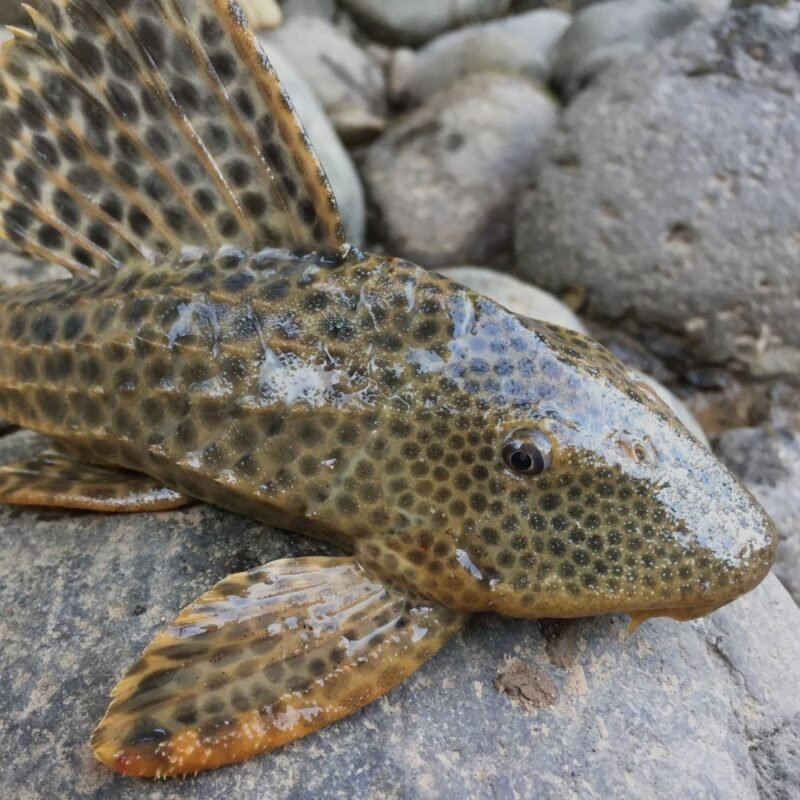
The carachama as a natural water thermometer
In the memories of the community's elders, the carachama once thrived among the rocks of the Puyo River. This bottom-dwelling fish (of the catfish family) acts as a natural biological indicator: when the water flows clean and well-oxygenated, the carachama flourishes; when the riverbed becomes covered with mud, oils, or decomposing organic matter, it disappears. Its absence in the sections near populated areas is the clearest sign of the environmental degradation facing the watershed.
The wounds that mark the deterioration of the Puyo River
During the on-site inspection, several key sections were identified where the socio-environmental impact directly affects nature and local populations, starting with the Mototo River (Shell), where the water intake was built for a smaller population, and the infrastructure has not been improved or increased along with the growth of this population.
The urban section of Citayacu. This section is the most exposed to the city's activity. It directly receives sewage discharges from several urban neighborhoods, as well as runoff from auto repair shops, car washes, and lubrication centers that dump used oils and greases without filters. At this point, the dissolved oxygen level in the water drops to 1 milligram per liter (well below the healthy range of 6 to 8 mg/L). This near-total lack of oxygen suffocates aquatic life and generates foul odors from the decomposition of stagnant water.
The flow of La Talanga and the cement problem. This tributary flows through densely populated residential areas. The high volume of sewage depletes the already limited oxygen in the stream before it empties into the main channel of the Pindo Grande River. In this area, an additional urban planning problem arises: the tendency of authorities to channel (cover with concrete structures and pipe) urban rivers. Instead of regenerating riverside vegetation, the water is trapped; during heavy Amazonian rains, these structures collapse, causing severe flooding in adjacent parks and community areas.
Union Base and the impact on indigenous communities. This is the geographical point where the Puyo and Pindo Grande rivers meet, right in the ancestral territory of the San Jacinto Commune. At this confluence, all the pollution accumulated from the city directly impacts community life, restricting artisanal fishing, family recreation activities, and the right to a healthy environment for the Indigenous population. Health problems have been reported (skin infections, cancer, lung problems).
The Chilcayacu River and the municipal landfill. This section runs through the area of influence of the Puyo landfill and sanitary landfill, a facility that receives approximately 3990 Tons of municipal solid waste. Due to the lack of waterproofed pools and inadequate treatment of leachate (the highly toxic liquids generated by decomposing garbage), this waste seeps directly into the river during periods of heavy rain, generating pungent odors and health risks.
- The New World tourism sector. Located in the Allucus Wasi area, this is a space where local families have developed ecotourism and conservation ventures. However, the arrival of contaminated water from the upper reaches of the river puts these sustainable economic projects and the livelihoods of the families committed to protecting the forest at risk. It also causes deep sadness to the families who live next to the river and cannot experience it.
- Puyopungo and the impact on the greater Amazon basin. In the area of Puente de las Boas, the entry point to the community territory with over 50 years of history, the Puyo River flows into the Pastaza River. What happens in the city doesn't remain isolated within the municipality: pollutants travel downstream, connecting with the great Marañón River and ultimately impacting the transboundary ecosystem of the Amazon River.
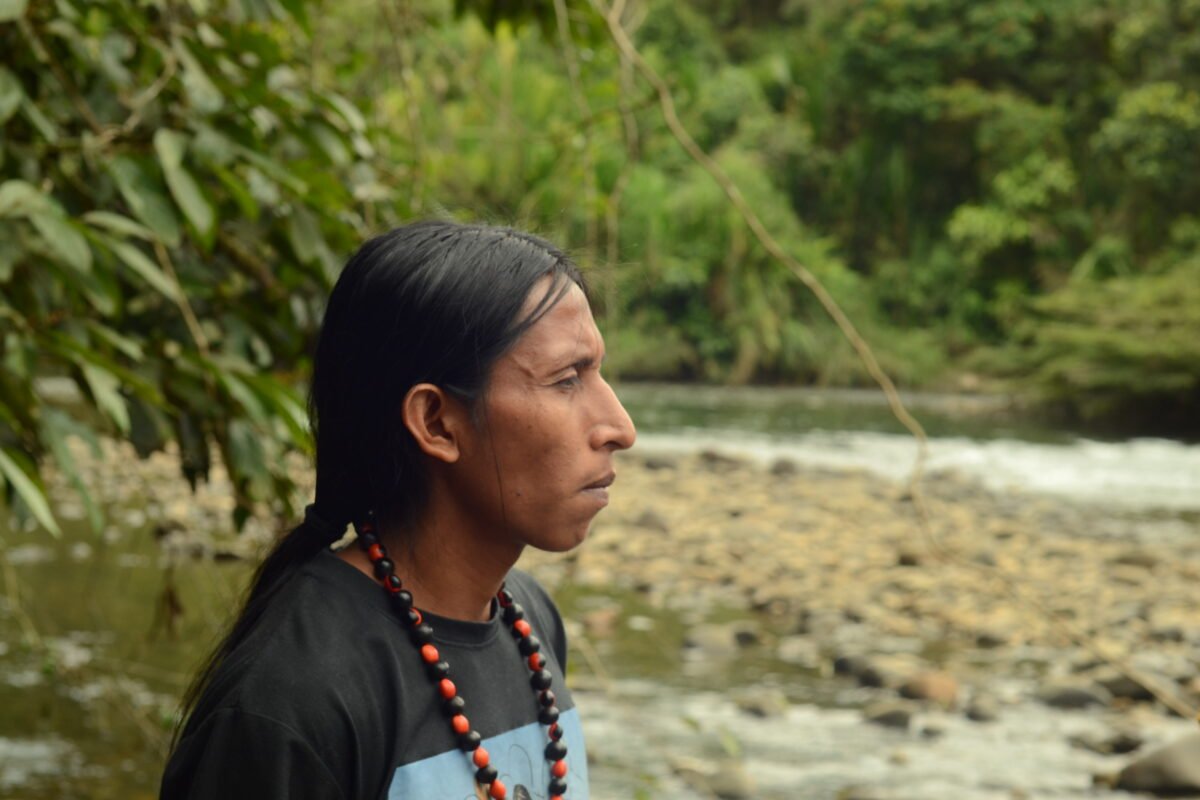
Failures in the treatment and right to information
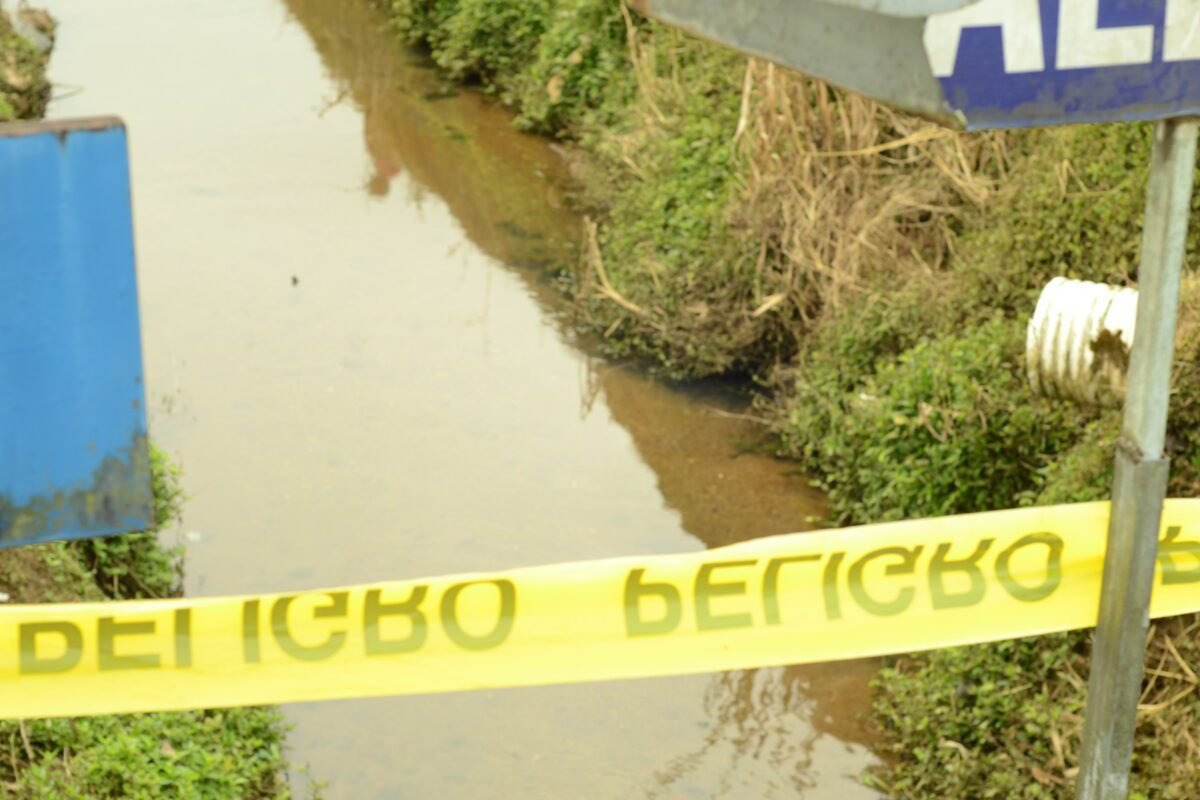
The tour revealed significant shortcomings in public management. The region lacks treatment plants capable of carrying out the necessary steps to fully purify wastewater before releasing it back into the environment. Furthermore, there is a clear lack of public signage: authorities do not post warning signs informing residents or visitors about water quality in areas commonly used as river bathing spots, thus endangering the health of families who come to swim.
Protecting our Common Home
The water flowing through the Amazon basin knows no borders or municipal boundaries. What is dumped untreated in the upper part of the city ends up harming the health, food security, and culture of the communities located downstream.
Protecting the Puyo River demands immediate action: local institutions must ensure effective wastewater treatment, halt the sealing of natural waterways with concrete, and formally protect water sources. Defending the river and restoring the habitat of the carachama fish is to guarantee the right to health, memory, and life in the Amazon.

 EN
EN